The Best Use of AI Isn't Making Things Easier
March 22, 2026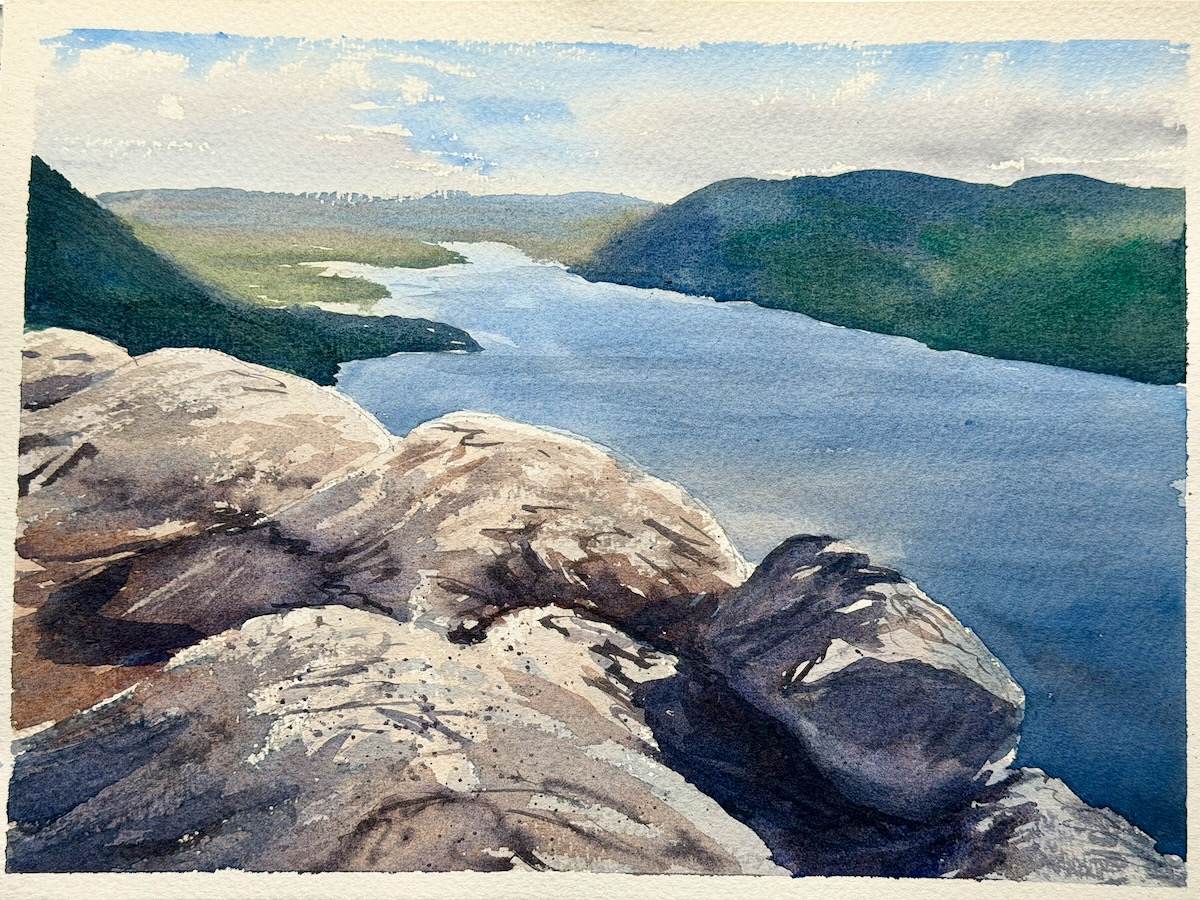
I’ve spent the last twenty years as a professional photographer, educator and writer, and aspiring painter. And before that, twenty years as a music producer and studio owner. If there’s one thing I’ve learned across both disciplines, it’s this: mastery is a process of becoming.
A recent study by Genio on how students are using AI in 2026 noticed something important: there’s a shift happening from AI adoption to AI agency. Here’s the key insight:
“If a tool makes learning feel effortless, it’s probably not teaching anything. We don’t want to make the work disappear; we want to make the student more capable of doing the work.”
That definitely resonated with me because in my own work with AI—building systems, experimenting with different tools, trying to figure out how to use them effectively, I’ve noticed the same thing. The times when AI has been most valuable weren’t when it necessarily made things easier. It was when it made me better.
Mastery Requires Friction
Anders Ericsson’s research on deliberate practice made this clear. Real improvement doesn’t come from doing what’s comfortable. It comes from working at the edge of your ability, with immediate feedback, making adjustments, and doing it again.
The problem with most AI tools is they’re designed to eliminate friction entirely. But what if we used AI differently? What if instead of asking AI to do the work, we asked it to make us better at doing the work?
Here’s what that looks like in practice:
For a photographer: Instead of “generate a landscape photo in the style of Ansel Adams,” you’d use AI to analyze your own images, identify patterns in your composition choices, point out where you’re relying on comfortable habits, and suggest specific exercises to develop weaker skills.
For a writer: Instead of “write this blog post for me,” you’d use AI to review your draft, highlight unclear arguments, flag weak phrases, and coach you through revision — making you a better writer, not replacing you.
For anyone learning anything: Instead of asking for answers, you’d use AI as a practice partner that adjusts difficulty based on your performance, provides immediate feedback, tracks your progress over time, and helps you identify exactly where to focus your effort.
This is how I work with my assistants Data and Lal. They take care of the operational workload so I can stay in the deliberate practice zone; think about solutions to problems I or others have, and then engage with that in my writing, photography, teaching, and entrepreneurship.
This is what I mean by AI agency. You remain the one doing the hard work. The AI is your coach, your sparring partner, your accountability system. This is the friction required for mastery.
The Trap of the Comfort Zone
I think about my own journey learning to paint several years ago. I could have stayed comfortable with photography. Instead, I stepped into something completely foreign, embraced being a beginner again, and struggled through months of terrible paintings. It was hard. But that beginner’s mind, that openness to not knowing, made me a better photographer too.
That’s what deliberate practice with AI can do. It can keep you in that beginner’s mind even as you develop expertise. It can challenge your comfortable habits. It can push you to see what you’ve been missing.
This is what I’m exploring with beacon24. Not “how to use ChatGPT” tutorials, but how to build deliberate practice systems powered by AI. How to turn these tools into coaching partners that help you master your craft—whether that’s photography, writing, business, or anything else that matters to you.
Because the real promise of AI isn’t making life easier. It’s making us more capable.
If this resonates with you, I’d love to hear what you’re working on and how you’re thinking about AI in your own practice. Reply and let me know!